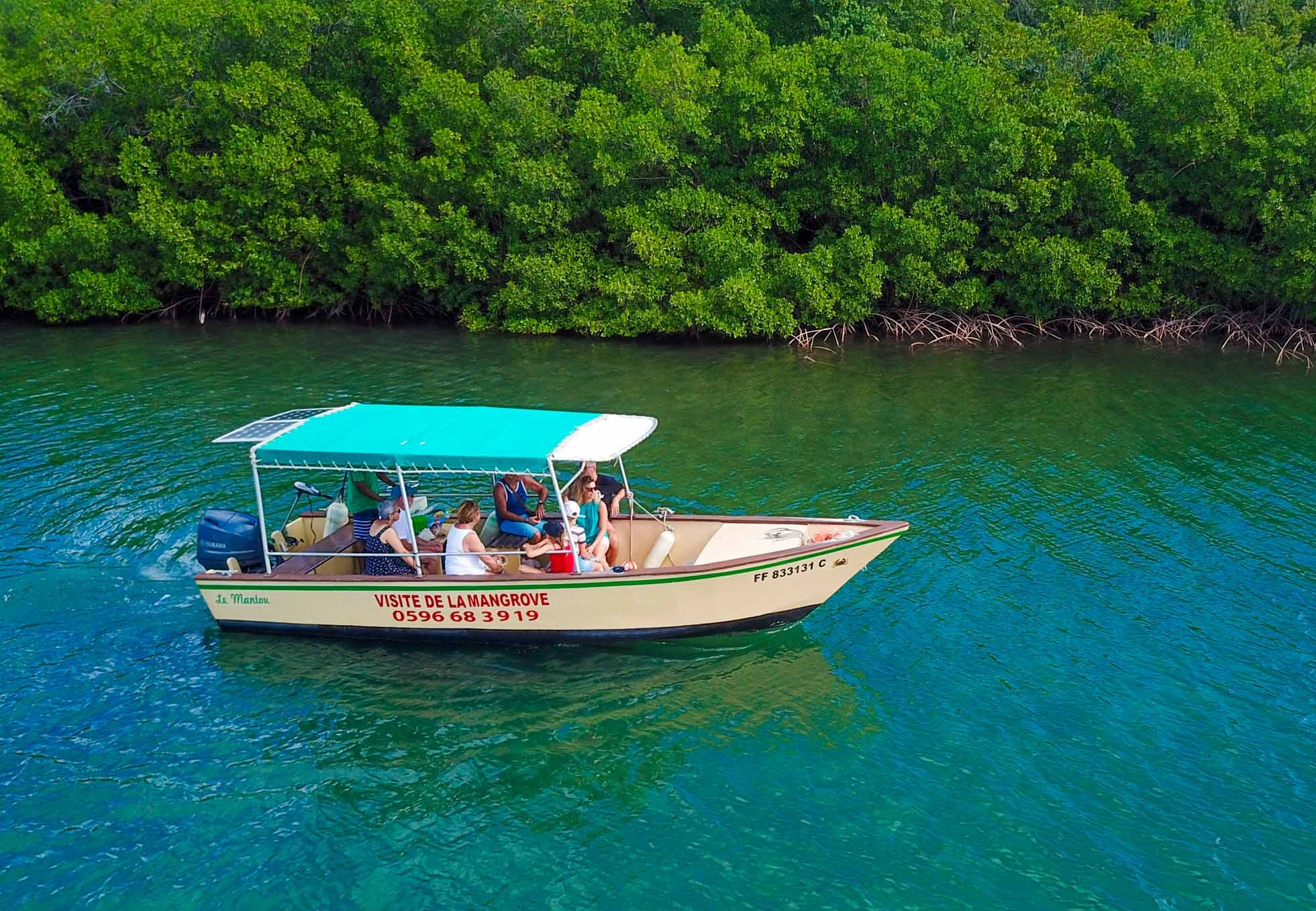
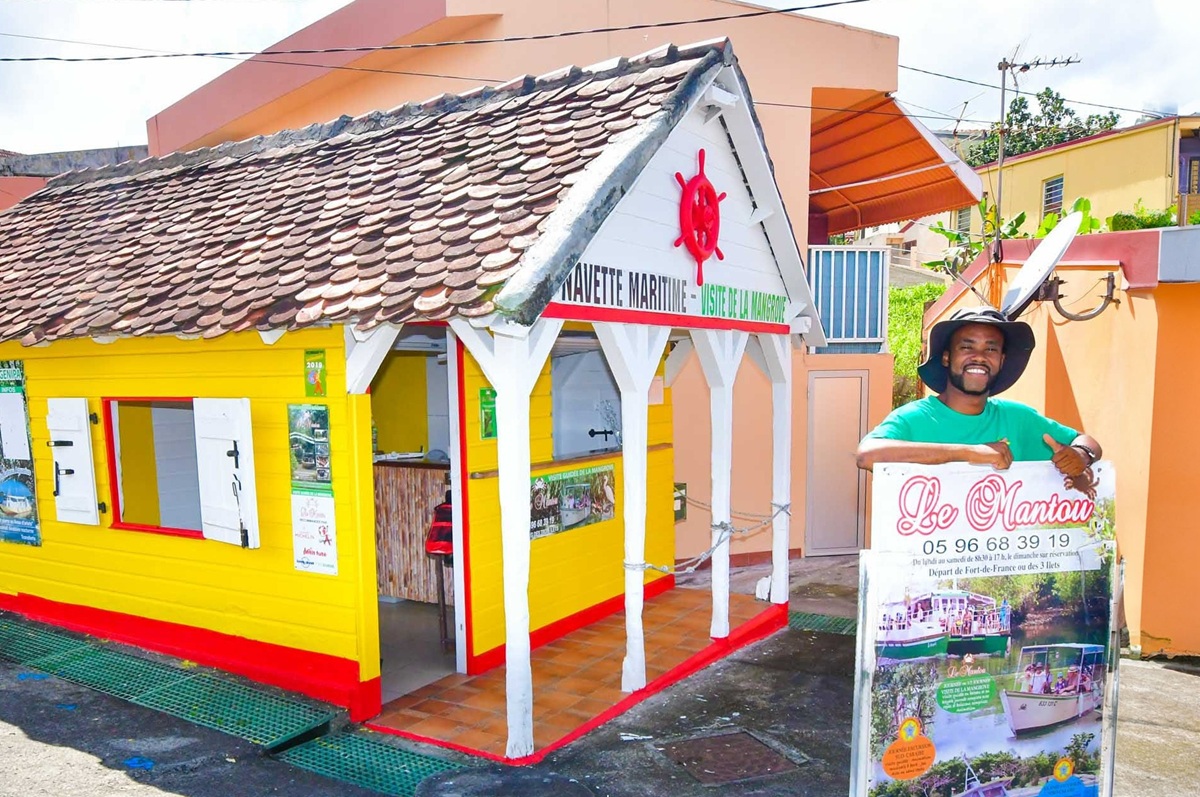

Génipa Mangrove Discovery Tour in Martinique!

Génipa Mangrove Discovery Tour in Martinique!
Want to learn even more about the environment and culture of Martinique? There is so much to see and do here that it could not fit on one page, so we have selected two activities around Les Trois-Ilets and three excursions elsewhere on the island that blend history, culture, and nature in the same spirit as Le Mantou.
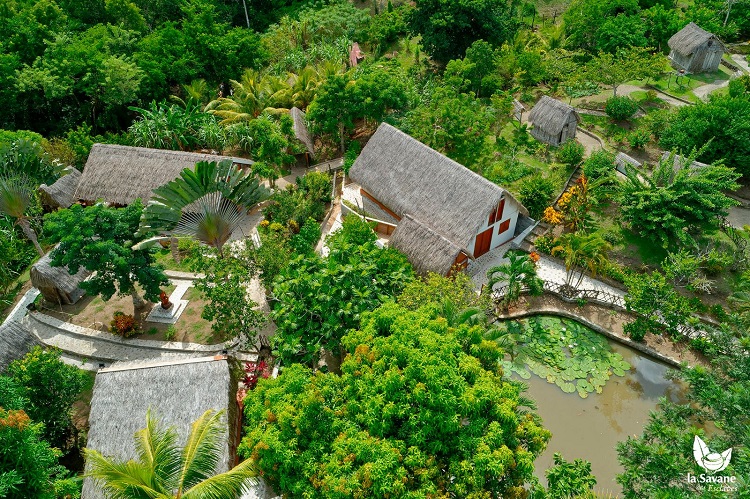
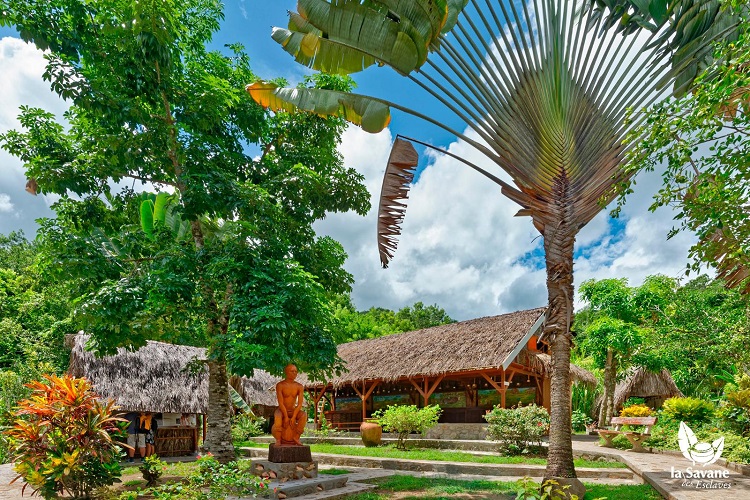
Roughly translated as “The Slaves’ Savannah”, this private museum lets you discover or deepen your knowledge of Martinique’s history, from its first inhabitants to the 1960s, including slavery. It is a wonderful private garden created by Gilbert Larose, a Martinican deeply passionate about the history of his country. On this 7-acre site, you will find 26 bilingual information panels, reproductions of indigenous dwellings, slave huts, a Creole garden, and a medicinal garden. The Savane des Esclaves is located in Quartier la Ferme, Les Trois-Ilets.
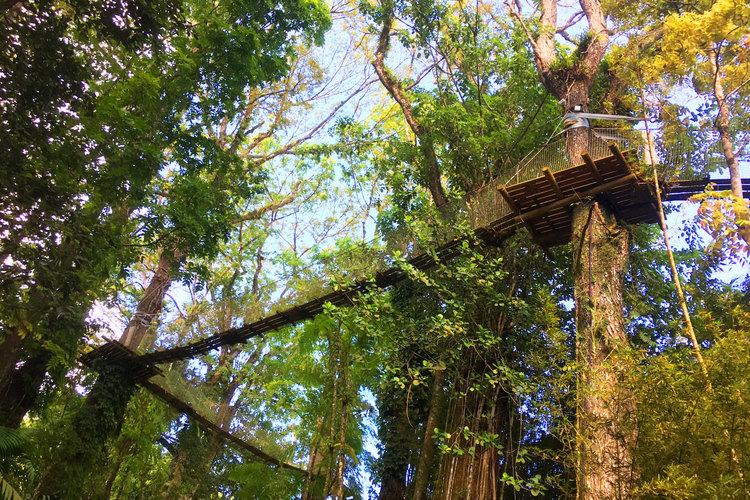
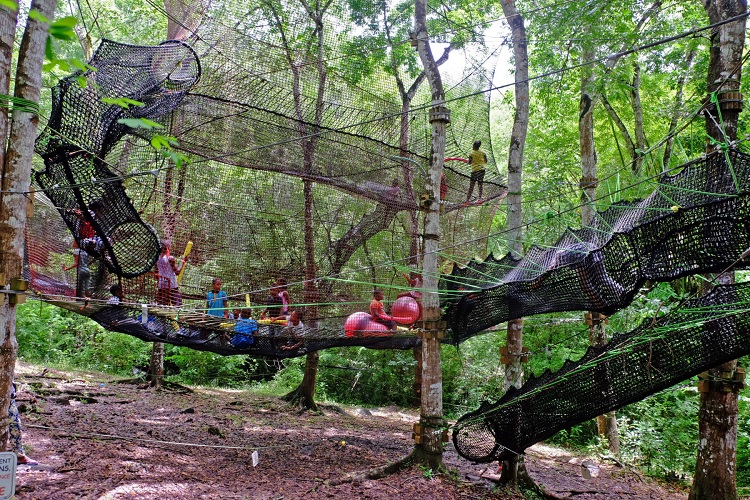
If you are looking for something more physically demanding than Le Mantou, we recommend the Mangofil leisure park. You will find plenty of activities for all tastes: a treetop adventure course with 56 obstacles set between 7 and 46 feet high and taking about 2 hours to complete, a net play area for children and adults, a 30-foot jump, a 3.5G ejection catapult, a mini-golf course, a two-route climbing wall, and quad and motorbike rentals, all set in the lush environment so typical of Martinique. Mangofil is located in Forêt Râteau, Les Trois-Ilets.
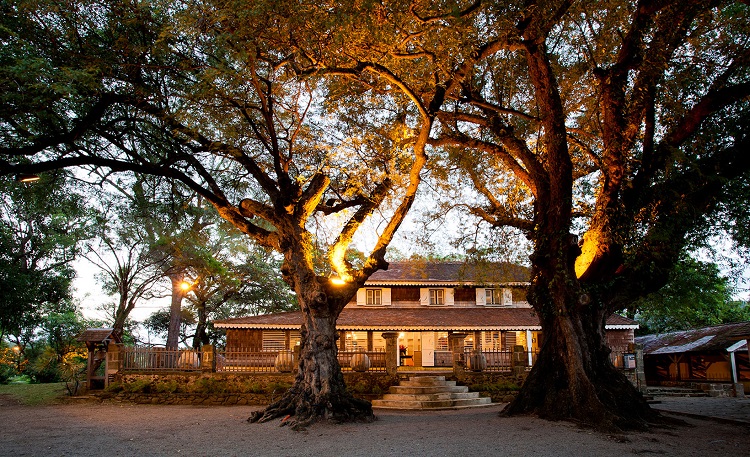
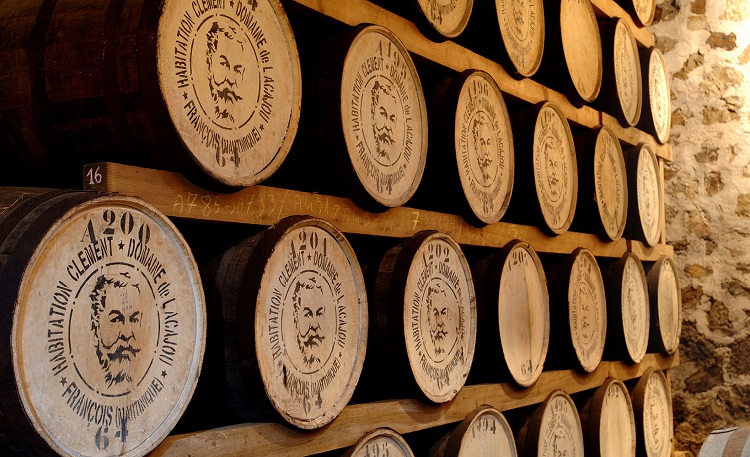
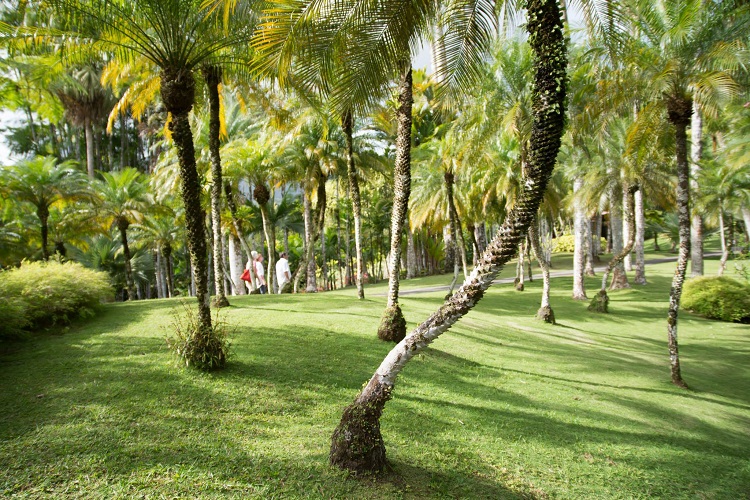
The Clément Habitation was once a rum production site and is now both a rum museum and a cultural centre. You will be able to learn more about how rum is made, see barrels slowly ageing, take a walk through a 40-acre botanical garden, visit Creole houses, some of which are listed as historical monuments, and of course buy some rum. The habitation is located at Domaine de l’Acajou, Le François.
.jpg?_cchid=604c5d5a0954fa4b11013c055bbde775)
The Balata Garden is one of Martinique’s must-see attractions. Come for a walk through this 7-acre botanical garden and discover more than 3,000 tropical species of plants and flowers, ranging from familiar varieties to others with striking shapes and colours. The garden is located at the 10th kilometre (mile 6) on Route de Balata, Fort-de-France.
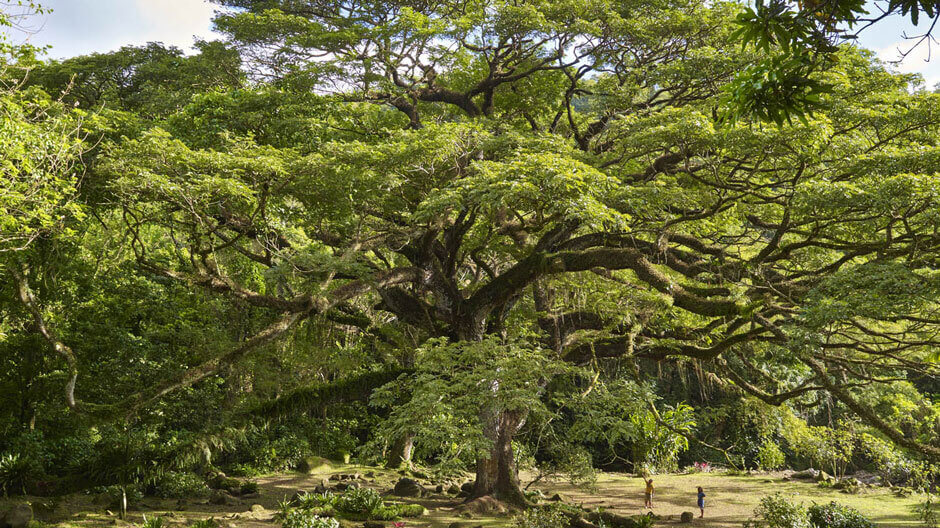
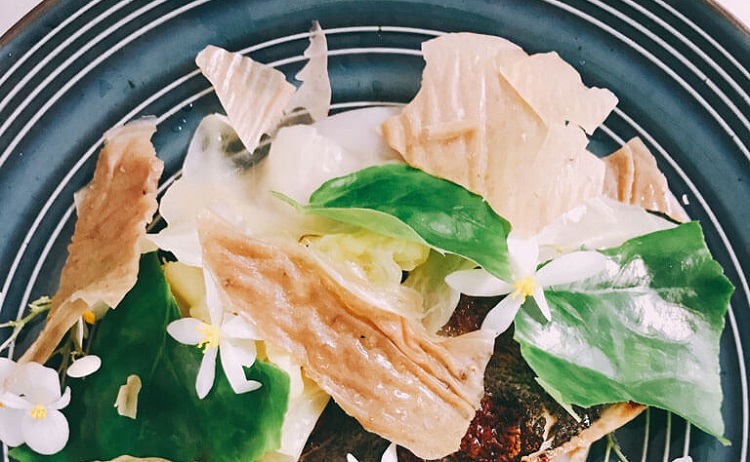
The Céron Habitation, located in the far north of Martinique in one of its wildest regions, is a former sugar estate now turned toward agrotourism. There, you can learn more about chocolate making from locally harvested cocoa, stroll through another beautiful listed garden, cool down in the shade of one of the oldest trees in the Caribbean, or simply enjoy delicious Caribbean dishes in its restaurant. The Céron Habitation is located at Anse Céron, Le Prêcheur.